Why dopamine isn’t what you think
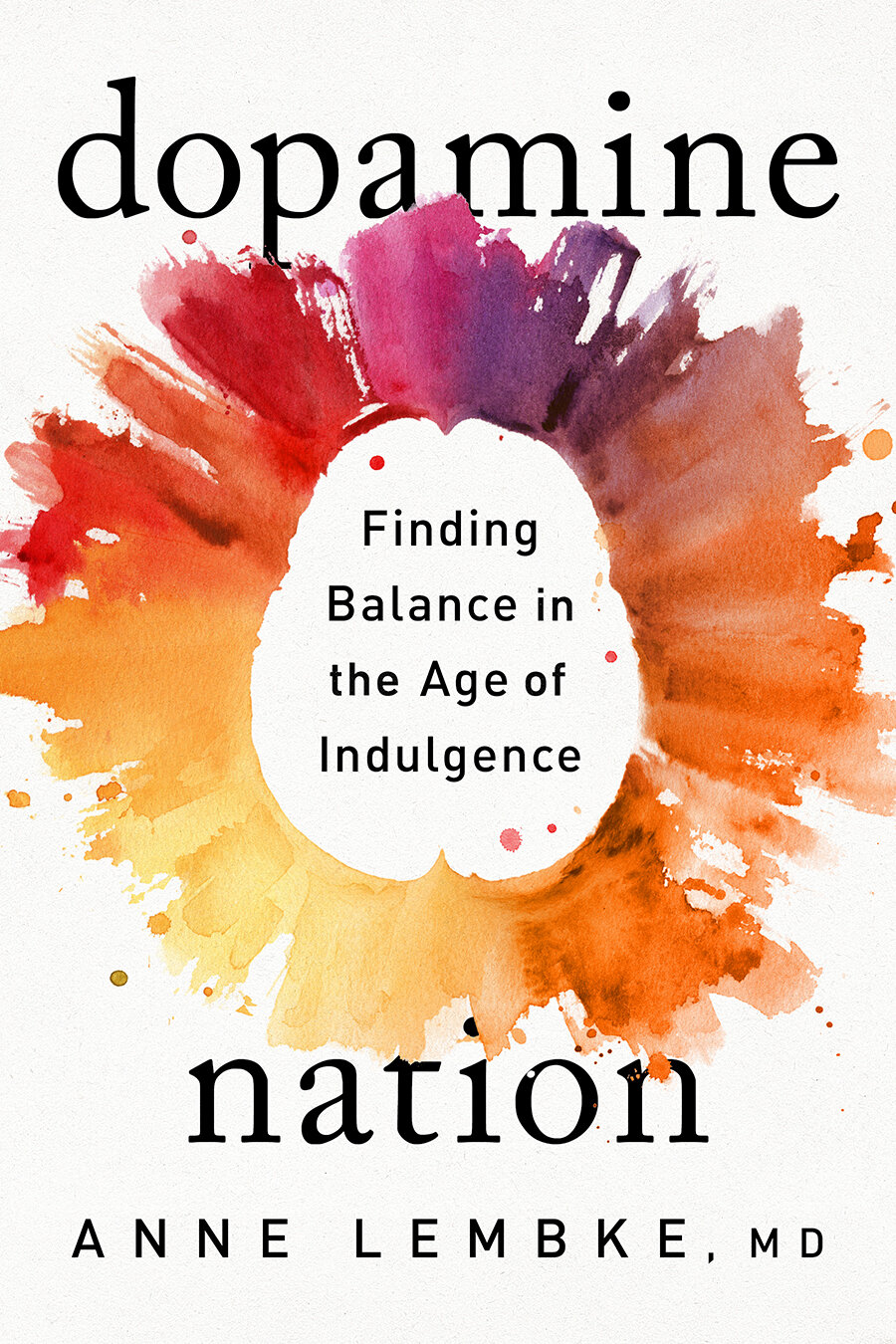
When most people hear “dopamine,” they think of pleasure, the rush of hitting a PR, eating a cheat meal, or getting that social media like. But as Anna Lembke explains in Dopamine Nation, dopamine is less about pleasure itself and more about motivation and pursuit. It’s the signal that drives us to seek rewards, not the reward itself.
This is why you can crave a workout, a meal, or a scroll through your phone more than you actually enjoy it once it arrives. In the gym, that means the chase (planning a new program, the anticipation of results) often feels more powerful than the outcome (the actual session).
The problem, as neuroscience shows, is that dopamine isn’t limitless. Every time you spike it, whether through training, stimulants, or even scrolling TikTok between sets, the brain compensates by tipping the balance back toward pain and dissatisfaction.
This adaptation, called neuroadaptation, explains why:
Your first pre-workout scoop lights you up, but over weeks you barely feel it.
Training six days a week feels amazing at first, but soon you hit a wall of fatigue.
Hitting a PB is euphoric, but the next day it feels strangely empty.
The more often you push dopamine, the less responsive the system becomes, a phenomenon known as tolerance. Over time, the baseline shifts so that normal training, eating, or even rest feels flat.
Training as controlled dopamine stress
So what does this mean for fitness? It means training itself is a double-edged sword. Exercise is one of the most powerful “natural” dopamine triggers, especially intense resistance training and HIIT. Done right, it builds resilience. Done excessively, it mirrors addictive patterns.
Acute dopamine boost: A hard workout increases dopamine, sharpening focus and reinforcing the habit.
Adaptive dip: In the hours after, dopamine drops, which is why fatigue and cravings often follow training.
Resilience with repetition: Over time, balanced training and recovery reset the system, making you less fragile, not more.
This is why rest days, deloads, and even short breaks are not signs of weakness. They are the neurological equivalent of “resetting the balance.”
Applying dopamine wisdom to training
Here are ways to align your fitness with the science of dopamine:
Don’t chase constant highs. If every workout feels like an adrenaline-fueled max-out, you’re on the path to tolerance and burnout. Cycle intensity and let some sessions be submaximal.
Respect recovery. Sleep, nutrition, and downregulation practices (breathwork, mindfulness, walking) restore balance. Without them, you’re running a dopamine deficit.
Use discomfort wisely. Lembke highlights that pain and discomfort often recalibrate the system. Cold plunges, fasted walks, or tough workouts followed by genuine rest can reset your baseline and make ordinary life (and training) feel rewarding again.
Avoid stacking stimulants. Pre-workout, caffeine, nicotine, energy drinks, social media all layer dopamine stress. Keep one or two tools, don’t pile them all together.
Find joy in the boring. Sustainable training means enjoying the process, not just chasing the peaks. The athletes who win long-term aren’t addicted to the highs, they master the routine.
The big picture
The real lesson from dopamine science isn’t that you should avoid pleasure or stop training hard. It’s that you need balance. Every rep, every rush, every hit of dopamine tips the brain’s seesaw. Push too hard for too long, and the after-effect is fatigue, cravings, and diminished returns. Balance stress with recovery, intensity with discipline, and you not only build a stronger body, you build a more resilient mind.
In other words: Train hard, but don’t chase the high. Train smart, and you’ll learn to thrive in the balance.
References: